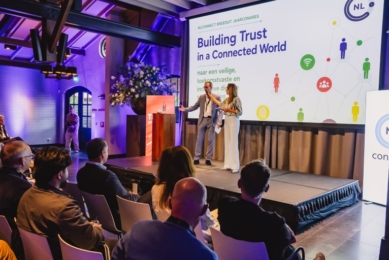
During the FTTH Conference Amsterdam 2025, we met with network operators and internet service providers (ISPs) leading the transition to multi-gigabit broadband. These pioneers shared their challenges and opportunities. One year later, at the FTTH Conference London 2026, we are reflecting on what has happened, what frontrunners have experienced, and where they are headed. Are the same lessons still relevant?
What is the same and what has changed
To recap frontline lessons from 2025, advancing beyond 1 Gbps required:
- Unlocking value for consumers and networks with strategic network optimization
- Segmenting the market and identify your first movers, then target the right segment: households in their 40s with at least two children, all of whom are heavy internet users.
- Rethinking investment priorities from homes passed to homes activated. Not just expanding the network but also driving use.
- Recognizing the importance of interoperability as a hidden prerequisite for offering 1 Gbps and beyond
- Setting the right expectations and meeting them
We reached out to the same frontrunners, and most of them, including KPN, Fiberhost, FullFibre, Open Fiber, and Harmonic, have shared their insights on how the market and their perspectives have evolved. One year later, these lessons still hold, but the context has changed. What was once a forward-looking conversation is now an operational reality. And that reality is more complex than ever: infrastructure is in place, but demand varies; speeds are faster, but experience is what matters. The result is a new phase for the industry, less about speed and more about delivering outcomes and experiences.
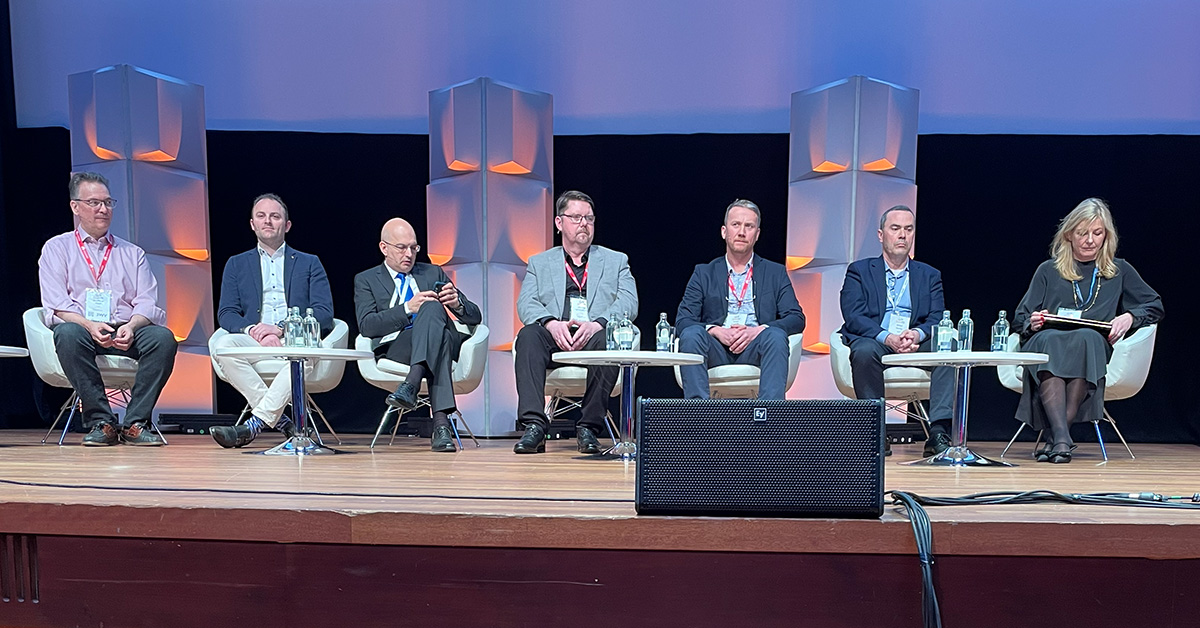
Multi-gig lessons still hold, more than ever
The frontrunners agree: the lessons remain relevant; in fact, they’ve become even more critical as markets, ecosystems, and networks evolve.
- Interoperability is still non-negotiable.
Delivering seamless, “always-on” experience across vendors, technologies, and environments remains fundamental. As one operator put it, “This is a key driver to gaining trust from customers.” Without it, even the most advanced network infrastructure and higher speeds fail to translate into reliable services and a quality experience.
- The in-home experience remains the battleground.
The past year has only reinforced what was already obvious: performance depends just as much inside the home as it does in the access network. Wi-Fi quality, device capability, and CPE decisions continue to shape how households experience their connection.
- Multi-gig is a long-term investment.
The long-term strategy stays the same, but the development of multi-gig services has advanced. Operators are building networks not only for today but also for the next decade. They must ensure they can support future applications, especially as the AI economy expands, without costly and disruptive upgrades.
Fresh perspectives: From raw speed to quality of experience (QoE)
The most significant change during the past year is that the mindset has transitioned from how fast networks are to how well they perform. As one industry leader noted,
The real value today is delivering consistent, low-latency, and highly reliable connectivity.”
For most households, perceived quality depends on network performance, latency and responsiveness, stability under load, and consistency across devices and applications. This shift is subtle but fundamental. It marks a transition from bandwidth as a product to experience as a service.
Delivering QoE requires increased visibility across the network, smarter traffic and burst management, and more proactive monitoring and diagnostics, including AI. In other words, delivering a better bandwidth experience, not just more of it.
The gap between multi-gig capability and demand is more visible
If last year was about enabling multi-gig speeds, this year is about confronting adoption. Networks are ready, but demand is still catching up. Multi-gig is widely deployed across various markets, as one industry leader notes,
2.5 Gbps via GPON is now the de facto standard. However, the move toward 10 Gbps reveals a significant gap between infrastructure readiness and market pull.”
A leading wholesale operator said, “The biggest surprise has been the gap between wholesale capability and retail readiness. While wholesale networks (including ours) have been fully prepared for multi-gig for some time, many retail ISPs have been much slower to introduce commercial multi-gig offers or to proactively promote them.”
Often, the need for these higher speeds is primarily limited to business users or very niche consumer groups. The slow consumer adoption of speeds up to 10 Gbps can be attributed to the “lack of a killer app.” As an industry leader describes it,
10 Gbps will likely follow the path of previous upgrades: it will eventually become the standard speed for all new activations, without a premium price. Adoption will be driven by physiological churn—as customers naturally move between operators—rather than a proactive search for more bandwidth.”
The in-home bottleneck: the new multi-gig challenge
One of the lessons from last year is the shift from simply passing homes to activating them. Since then, it has become clear that the home itself is the bottleneck. How? There is a hardware bottleneck, with in-home Wi-Fi as the main constraint. Even when multi-gig services are available, performance is limited by slow adoption of multi-gig-capable Wi-Fi, limited device availability, and suboptimal in-home network design.
As one operator observed, even ultra-fast connectivity can remain “invisible to the end-user” without the right setup inside the home. Another industry leader describes it as a “’ Bottleneck shift’ in which Wi-Fi 7 adoption means the in-home network is increasingly capable of exceeding the access link’s capacity. This makes the broadband connection itself the perceived constraint that dynamically reinforces the strategic importance of multi-gig architectures.” This indicates that performance needs to be managed end-to-end, not optimized in isolation.
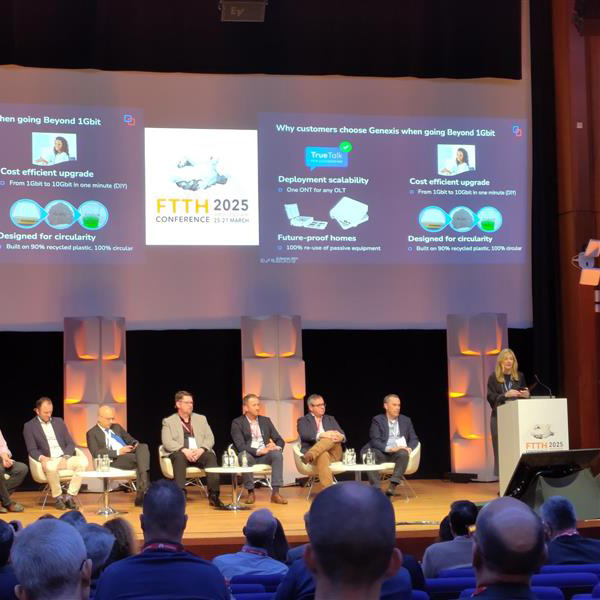
Adoption will be gradual, and that’s ok
Perhaps the biggest change in the past year relates to expectations. The concept of quick, demand-driven adoption has shifted to a slower, more gradual approach. Multi-gig broadband will expand steadily over its lifecycle, not in sudden jumps. Instead of immediate consumer demand, adoption will likely follow natural upgrade cycles, customer churn and switching, and the introduction of new activations and default service tiers. Over time, higher speeds will become the standard, not because customers actively seek them out, but because they are built into the offering.
Importantly, the gradual pace of adoption presents no technical barriers, thanks to the ability of GPON and XGS-PON technologies to coexist on the same infrastructure. This compatibility allows network operators to upgrade to multi-gigabit capabilities without interrupting existing services, enabling a seamless transition as demand grows. Furthermore, this approach helps to reduce the required CAPEX for network upgrades, since there is no need for an immediate, wholesale replacement of equipment. Instead, incremental improvements can be made efficiently, aligning investment with actual adoption and usage.
Looking ahead
One year later, we can see that the industry has matured. To sum up:
| THEN | NOW |
| Focus on delivering speed | Deliver consistent experience |
| Expect demand to follow network capabilities | Recognize that adoption is lagging behind the actual infrastructure |
| Anticipate bottlenecks beyond the network | Need to actively manage them across the entire network |
When asked about their outlook for the next few years, frontrunners see challenges and opportunities. The real challenge for 2026 and beyond is aligning the perceived value of the connection with the actual hardware capabilities within the home. As one frontrunner puts it,
Ultimately, the winners in this phase won’t be those offering just the highest peak speeds, but those who can consistently deliver a superior proven quality of experience.”
The next phase is to make multi-gig broadband tangible, scalable, and meaningful for every customer.